
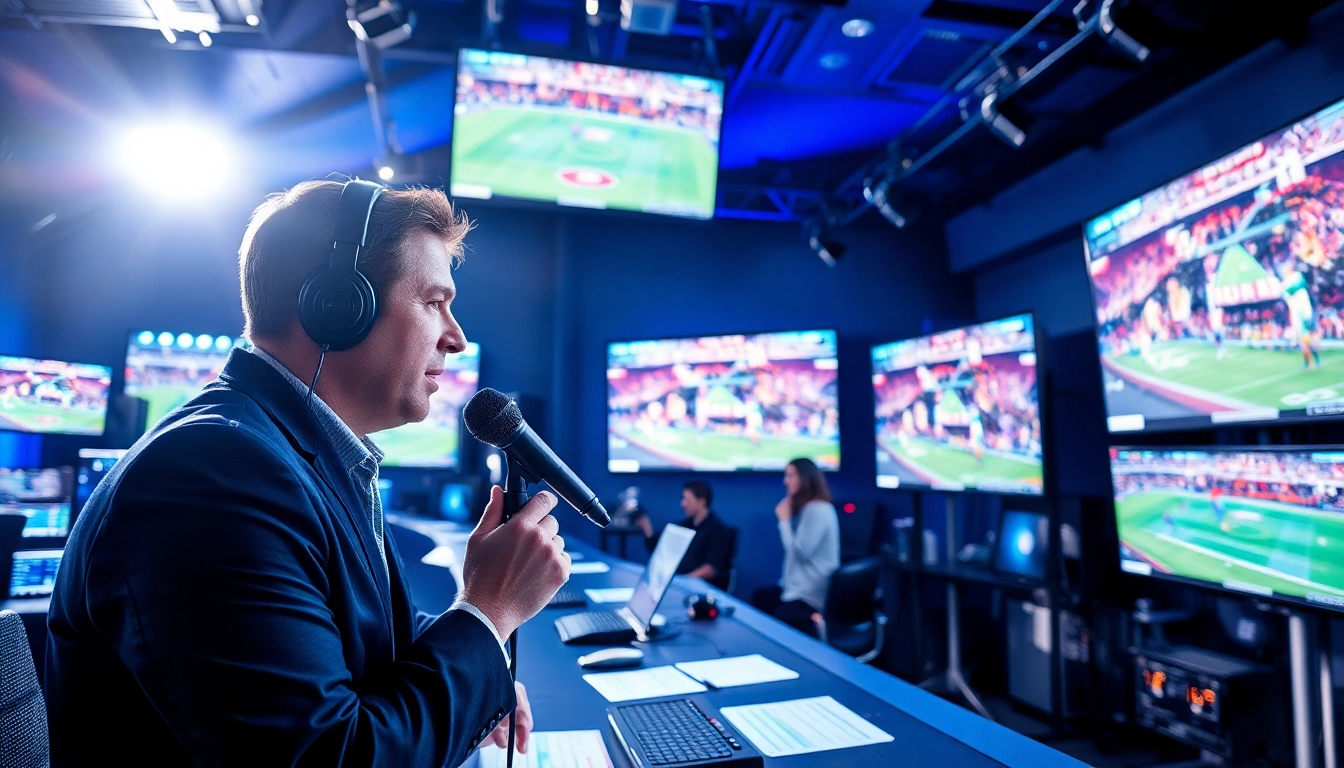
Understanding Sports Broadcasting
What is Sports Broadcasting?
Sports broadcasting refers to the live transmission and commentary of athletic events through various media platforms. This includes television, radio, online streaming, and social media, delivering live sporting events to audiences around the globe. The production of sports broadcasts includes pre-game, in-game, and post-game coverage, ensuring fans remain engaged with their favorite teams and events. The widespread popularity of Sports Broadcasting highlights its significance in sports culture and entertainment.
The Evolution of Sports Broadcasting
Sports broadcasting has transformed remarkably from its inception. Originally, radio was the primary medium for broadcasting sports in the early 20th century. The excitement of sports like baseball and boxing drew large audiences to their radios, setting the stage for a new type of entertainment. The transition to television in the 1950s revolutionized the industry, allowing fans to experience the action visually, culminating in the momentous “Game of the Century” between the New York Giants and the Baltimore Colts that brought massive viewership.
As technology advanced, the landscape of sports broadcasting became more interactive and immersive. The introduction of cable television in the late 1970s brought dedicated sports channels, allowing fans to access a broader range of events. The internet’s rise in the late 1990s introduced online platforms for streaming, which expanded the audience’s ability to view matches and games from anywhere in the world.
Key Platforms in Sports Broadcasting
Today, sports broadcasting occurs across multiple platforms, each offering unique advantages. Major television networks remain dominant in sports coverage, such as ESPN and NBC Sports, but streaming services have rapidly gained traction. Platforms like Amazon Prime Video, Hulu, and dedicated sports apps allow fans to watch live events on-demand, catering to modern viewing habits that favor flexibility and convenience.
Social media has also emerged as an important tool in sports broadcasting. Platforms like Twitter, Instagram, and YouTube not only share highlights and clips but also engage audiences through live commentary and behind-the-scenes coverage, creating a more personal connection between fans and their favorite athletes. The integration of live stats and viewer engagement features augments the overall viewing experience.
Techniques for Effective Sports Broadcasting
Communicating with the Audience
Effective communication is a cornerstone of successful sports broadcasting. Announcers and commentators must convey information clearly and engagingly, capturing the excitement of the game while providing insightful analysis. A strong understanding of the sport, along with the ability to connect emotionally with the audience, enhances viewer engagement.
Utilizing storytelling techniques can enhance broadcasts by painting a vivid picture of the game’s context. Instead of merely relaying events as they unfold, narrators can weave in anecdotes about players, historical references, and stats that elevate the narrative arc of the game. This creates a more immersive experience for viewers, making them feel part of the action.
Analyzing Games Live
Live game analysis is crucial for responsive sports broadcasting. Anchors must interpret plays, discuss strategies, and anticipate developments as they unfold. Implementing tools like instant replay, graphics, and analytics can provide real-time insights that enrich the broadcast. For instance, visual aids can help explain complex plays and strategies to viewers who may not have deep technical knowledge.
Engaging experts and former athletes as commentators can provide unique insights and perspectives, further enriching the live analysis. Their experiences on the field can give viewers a deeper understanding of the game dynamics, making the broadcast more informative and enjoyable.
Using Technology to Enhance Coverage
Technology in sports broadcasting has significantly improved over the years, creating opportunities to enhance the viewer experience. High-definition cameras provide clearer images, while drones offer unique aerial views of the action. Techniques like slow motion and augmented reality graphics help to analyze plays and create an engaging visual experience.
Furthermore, statistics and analytics are increasingly incorporated into broadcasts, offering viewers quick, digestible data that adds depth to their understanding of the game. Real-time statistics can highlight players’ performances, trends in gameplay, and pivotal moments that shape the outcome of an event.
Trends Shaping Sports Broadcasting Today
The Rise of Streaming Services
As viewer preferences shift towards on-demand content, streaming services have disrupted traditional sports broadcasting methods. Platforms like DAZN and NBC’s Peacock provide subscribers access to an expansive range of live sports events without the necessity for cable subscriptions. This transition allows viewers to customize their viewing experience, choosing when and what they want to watch.
The flexibility offered by streaming services empowers audiences to engage with niche markets, including lesser-known sports and events that may not receive mainstream media coverage. Consumers are drawn to these personalized experiences, which are changing the business model of sports broadcasting.
Integration of Social Media
Social media platforms have become integral to sports broadcasting, shaping how audiences consume and interact with sports content. Real-time updates on platforms like Twitter enhance the viewing experience, offering immediate commentary and analysis. Fans engage in conversations around games through posts, shares, and livestreaming events, creating an event community.
Additionally, clubs and athletes use social media to interact directly with their audiences, presuming a more personal approach toward fan engagement. This trend has led sports broadcasters to integrate these platforms into their campaigns, using social media not just as a promotional tool but as a medium for content dissemination.
Virtual and Augmented Reality in Broadcasting
Virtual and augmented reality technologies are gradually verging on mainstream adoption in sports broadcasting. This cutting-edge approach can offer viewers immersive experiences, allowing them to feel as if they are in the stadium or at the event. AR graphics can overlay essential stats or player information directly on the screen during broadcasts, enhancing viewer comprehension without interrupting the flow.
Moreover, virtual reality applications enable fans to participate in simulated sporting events, bridging the gap between viewers and players. As technological capabilities improve, the adoption of VR and AR will likely become more prevalent in enhancing viewing experiences and advertising avenues.
Best Practices for Sports Broadcasting Professionals
Content Creation Strategies
Successful content strategies blend entertainment and information, crucial for retaining audience interest in sports broadcasting. Crafting engaging narratives around games, players, and events draws viewers in and promotes shareability across social media. Utilizing data-driven insights to tailor content to audience preferences can lead to more personalized broadcasting experiences.
Moreover, multi-platform content strategies are essential in today’s digital landscape. Creating short clips for social media, in-depth articles, and interactive content can help expand reach and appeal to diverse demographics, complementing live broadcasts with pre and post-game features.
Building an Engaged Audience
Engagement is key to cultivating a loyal viewer base. Sports broadcasters should focus on creating opportunities for real-time interaction through platforms like social media, offering live polls, Q&As, and chats during broadcasts. Making audiences feel included encourages loyalty and increases word-of-mouth promotion.
Establishing regular segments or features that invite audience participation can also strengthen connections. For instance, fan highlights or replays of submitted footage can personalize broadcasts, fostering community among viewers.
Networking in the Broadcasting Industry
Networking is critical in the sports broadcasting industry, as building relationships can lead to professional opportunities and collaborations. Attending industry events, conferences, and workshops allows individuals to connect with peers and industry leaders, keeping them informed about new trends and technologies.
Engaging in professional communities online, such as forums or social media groups dedicated to sports broadcasting, can facilitate learning and knowledge sharing. Building a strong professional network creates pathways for mentorship and career advancement within the competitive landscape of sports broadcasting.
Future Insights for Sports Broadcasting
Emerging Technologies to Watch
The future of sports broadcasting will be closely linked to emerging technologies. Innovations such as 5G networking promise to enhance streaming quality and engagement, enabling real-time interaction and immediate broadcast of events. Drones and unmanned aerial systems are set to revolutionize field views, offering unique angles to elevate broadcasts.
Furthermore, cloud technology is positioning itself to facilitate easier distribution of content, making it simpler for broadcasters to reach wider audiences without compromising on quality.
The Impact of AI and Data Analytics
Artificial intelligence and data analytics are playing increasingly crucial roles in sports broadcasting. AI can automate specific broadcasting tasks, including graphics production and stat generation, allowing broadcasters to focus on storytelling and engagement. Data analytics provides insights into viewer preferences, empowering broadcasters to tailor content effectively and improve viewer retention.
Moreover, AI-driven algorithms can recommend personalized content to viewers based on their preferences and past viewing history, creating a more engaging experience.
Anticipating Changes in Viewer Habits
Understanding shifts in viewer habits is essential for future-proofing sports broadcasting strategies. Audiences are gravitating towards mobile viewing and on-demand content, necessitating that broadcasters adapt their formats to prioritize accessibility. Content should be concise, with instant highlights available for quick consumption.
Furthermore, as younger demographics prioritize interactivity and gamification, broadcasters must explore innovative ways to engage audiences, such as offering interactive betting experiences alongside live broadcasts.
Frequently Asked Questions
What is sports broadcasting?
Sports broadcasting refers to the live coverage and commentary of athletic events through various media platforms, reaching audiences worldwide.
How has sports broadcasting evolved?
It has transitioned from radio to television and now includes digital platforms, making sports more accessible and engaging for fans globally.
What technologies enhance sports broadcasting?
Technologies such as HD cameras, drones, and AI analytics improve coverage quality and provide real-time insights for viewers.
Why is audience engagement important in sports broadcasting?
Engaged audiences lead to higher ratings, advertising revenue, and loyalty, making it crucial for broadcasters to connect with viewers.
What are the future trends in sports broadcasting?
Future trends include the integration of AI for analysis, increased use of streaming services, and personalized content delivery for viewers.